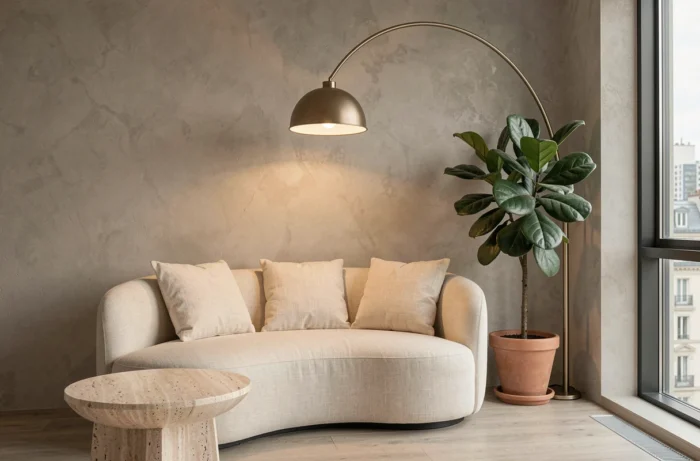
Choosing a modern and elegant decoration for your interior involves balancing materials, proportions, and finishes that create very different effects depending on the room. What criteria allow us to distinguish a sustainable decorative choice from a mere trend, and how do current styles compare on concrete parameters such as the longevity of furniture or the versatility of materials?
Comparison of Interior Decoration Styles According to Their Characteristics
Before selecting a decorative stance, it is useful to compare major styles based on criteria that influence daily life. The table below summarizes the differences based on available data.
| Style | Dominant Palette | Main Materials | Room-by-Room Versatility | Maintenance |
|---|---|---|---|---|
| Minimalist | Beiges, soft grays, off-whites | Light wood, brushed metal, linen | Living room, bedroom, office | Low (few surfaces to dust) |
| Chic Bohemian | Terracotta, ochre, sage green | Rattan, woven cotton, artisanal ceramics | Living room, bedroom, covered terrace | Moderate (textiles to wash regularly) |
| Industrial | Black, anthracite gray, brick | Raw steel, polished concrete, reclaimed wood | Kitchen, living room, loft | Low to moderate |
| Nature / Organic | Green, beige, brown | Solid wood, stone, plant fibers | All rooms | Variable depending on wood species |
| Reimagined Art Deco | Navy blue, gold, emerald | Velvet, brass, marble | Living room, dining room, entryway | High (velvet, brass to polish) |
What stands out from this grid: the nature style offers the widest versatility, applicable from the living room to the bathroom. The minimalist style remains the least demanding in maintenance, while the reimagined Art Deco requires regular care for its noble surfaces.
To explore more inspirations for modern decoration suitable for each room, the intersection of style and usage constraints remains the best selection filter.
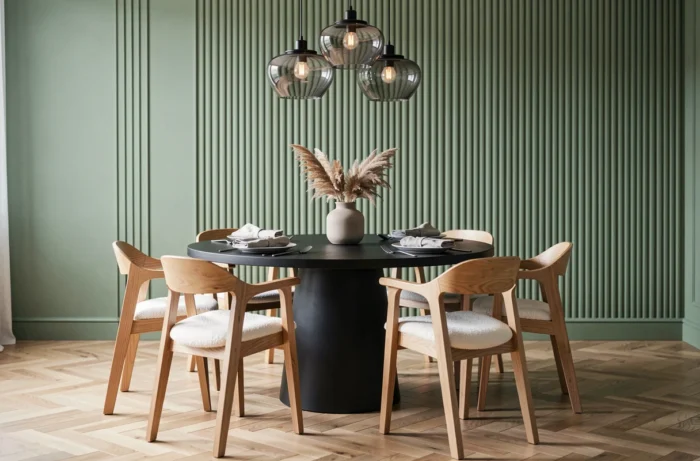
Durability of Wooden Furniture: What Labels Don’t Say
The natural appearance of a piece of furniture does not guarantee its longevity. One angle rarely addressed in decoration articles concerns the technical criteria that determine the actual durability of a piece of furniture.
The mention of “solid wood” on a label does not inform about the species used, the treatment applied, or the possibility of repairing the furniture. Several points deserve verification before purchase:
- The precise composition of the furniture: a particle board veneered with wood does not have the same durability as solid oak, even if both sometimes bear similar names
- Repairability: are spare parts available (hinges, legs, handles)? A dismountable piece of furniture is easier to repair than a glued one
- The ability to disassemble and reassemble without degradation, a decisive criterion for moving or changing layout
The European regulation ESPR is preparing progressive requirements regarding durability, reparability, and recyclability. The digital product passport planned within this framework should facilitate access to information about the composition and lifecycle of furniture. This regulatory context is gradually changing the available offerings.
Reuse and Second-Hand: An Underestimated Decorative Lever
Building an elegant interior from second-hand furniture goes beyond simply searching flea markets. Reuse is now organized into a structured sector, with specialized actors in restoring furniture.
The Second Life Design Festival, held in Montpellier, showcased creations made from existing furniture. This type of event illustrates a shift: reuse is becoming a subject of design and craftsmanship, not just budgetary savings.
Searching for furniture restored by specialized organizations allows for finding unique pieces around which to build the rest of the decor. A 1960s sideboard restored with contemporary lacquer or an armchair with reupholstered seating creates a contrast with new elements that cannot be replicated otherwise.
Colors and Materials in the Living Room: Combinations That Stand the Test of Time
The living room concentrates the most visible choices. In this regard, the trend towards curves and noble materials inherited from the 1970s is returning to the current offering: sofas with rounded lines, wood with visible grains, textured fabrics.
The palette that withstands the best against changing trends remains that of neutral tones enhanced by one or two colored accents. A beige linen sofa paired with sage green velvet cushions and a dark solid wood coffee table forms a base that can evolve by changing accessories without touching the structure.
Accessories and Wall Art as Adjustment Variables
Rather than renewing the main furniture, a change of ambiance often comes through peripheral elements. Patterns on cushions, rugs, or backsplashes can energize a room without heavy intervention. A geometric patterned rug can transform a neutral living room into a bold space with less effort than changing a sofa.
Paintings depicting natural scenes function as a visual opening, particularly in small spaces where the window does not overlook an open exterior.
Kitchen and Bedroom: Adapting Style to the Constraints of Each Space
The kitchen imposes humidity and cleaning constraints that the living room ignores. Polished concrete or cement tiles bring a strong character, but their porosity requires regular waterproofing treatment. For modern decoration in the kitchen, ceramic backsplashes imitating stone offer a compromise between aesthetics and ease of maintenance.
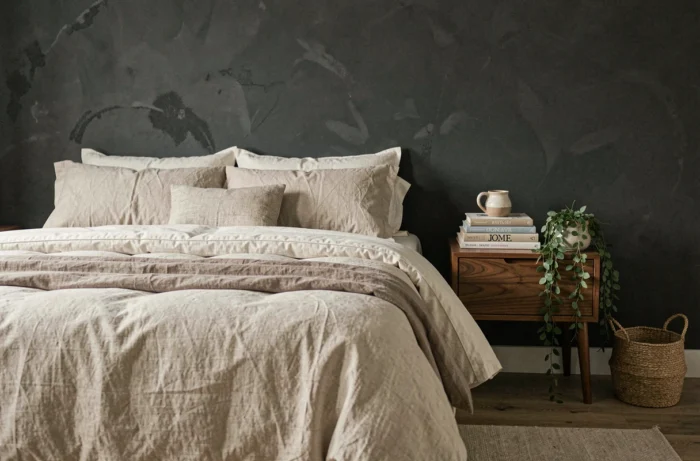
In the bedroom, the focus is more on sensory comfort. Textiles (sheets, curtains, upholstered headboards) absorb sound and create a cozy atmosphere. Favoring natural fibers like linen or washed cotton allows for combining visual elegance and thermal regulation.
Modern and elegant decoration is not limited to following a single style. Comparative data show that each approach responds to different constraints depending on the room, maintenance budget, and expected duration of use. The most reliable criterion remains the technical verification of furniture (composition, reparability, disassemblability) before any aesthetic consideration.